
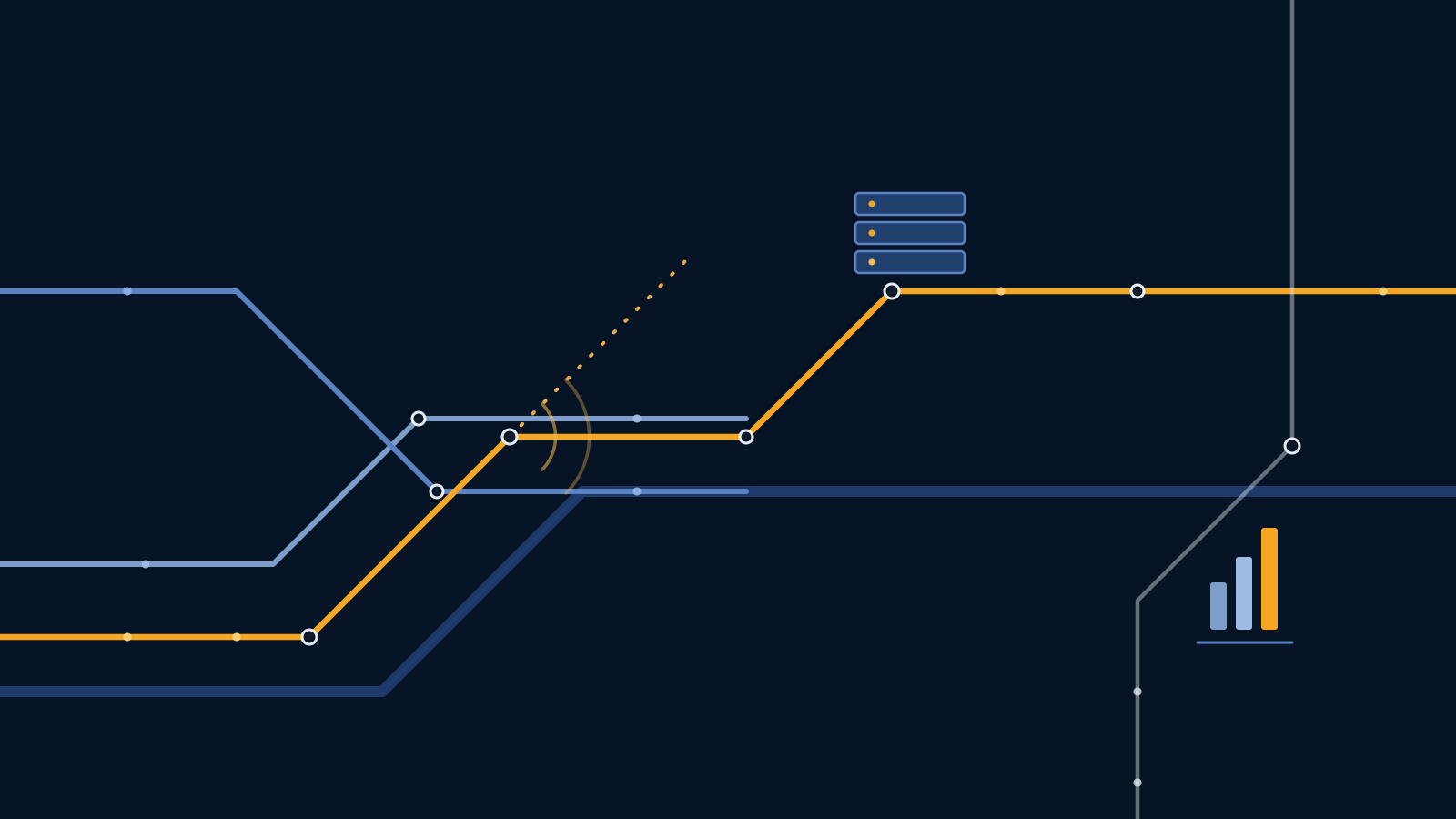
The UTA APC System
APC Hardware, software, and support. One system, one firm.
UTA engineers the on-vehicle hardware — the Model 31 APC CPU and the counting sensors at every door — writes the processing and reporting software, and supports both for the life of the system. There is no second vendor to call: the same firm is responsible for the sensor, the record, and the report.
01 / Benefits
Information provided by the UTA APC system
Ridership and on-time performance measured from the same on-vehicle records
Boardings, alightings, running times, stop activity, wheelchair ramp and bike rack usage
Meets national ridership reporting requirements -- FTA NTD in the U.S.
100% FTA NTD approval rate across every UTA APC applicant agency
Lower data collection and analysis costs
Process APC data from non-UTA APC systems
Accurate ridership supports funding claims -- in the U.S., FTA Section 5307 formula funding
Adapts quickly and accurately as funding and reporting scenarios change
02 / Deployment
Integrated or StandAlone. The UTA APC system does both.
Two independent systems. Each runs its own path off the vehicle and arrives separately at the same UTA back end — they never merge. Whichever system an agency runs, the processing, the validation and the reporting are identical.
Same Hardware, Two Possibilities
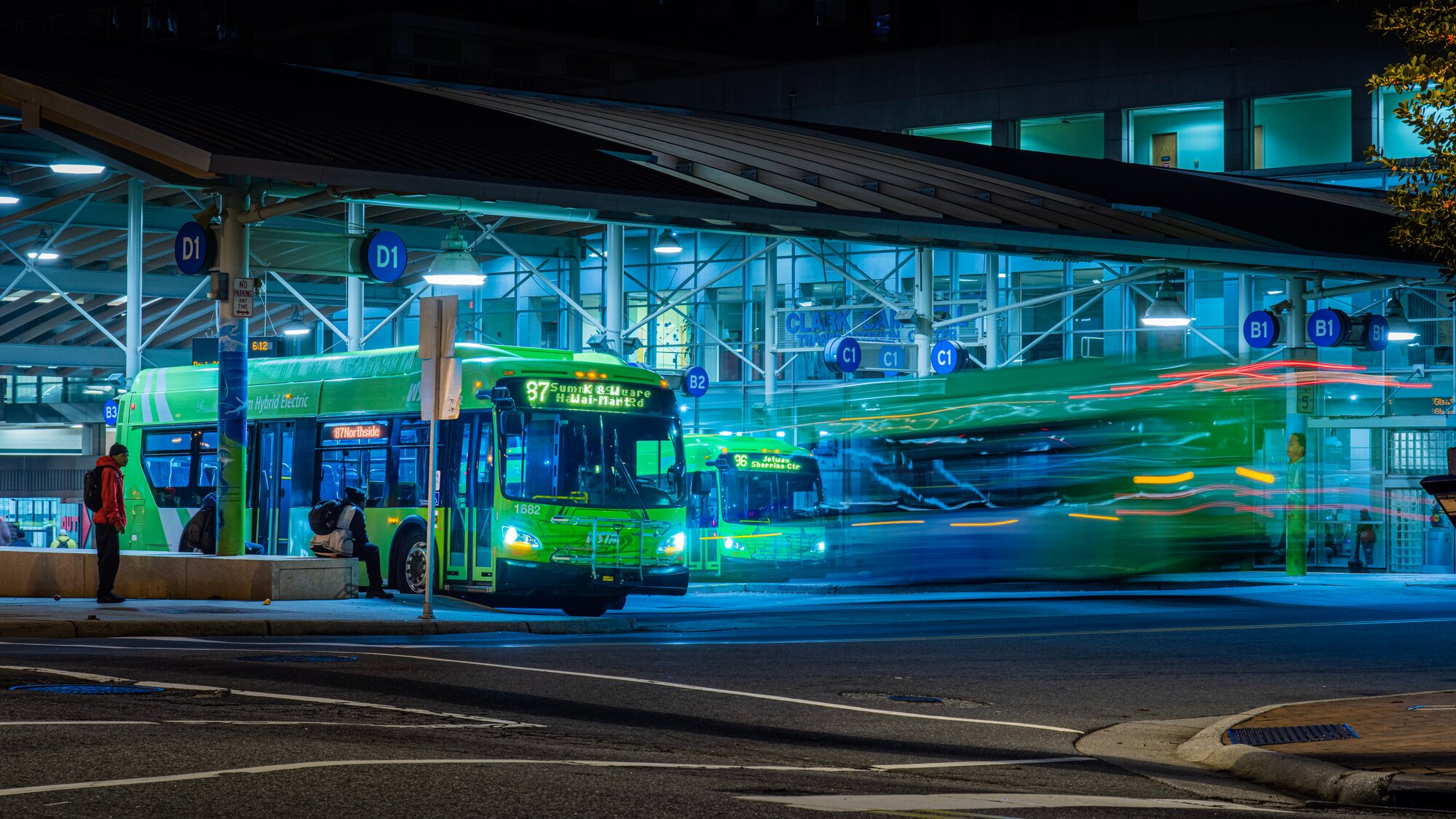
Stage 1
UTA APC hardware on the vehicle
Both applications start from the same equipment. UTA quality, no matter how you transfer data off the bus.
- UTA Model 31 works in both integrated and standalone applications
- Counting sensors over each door
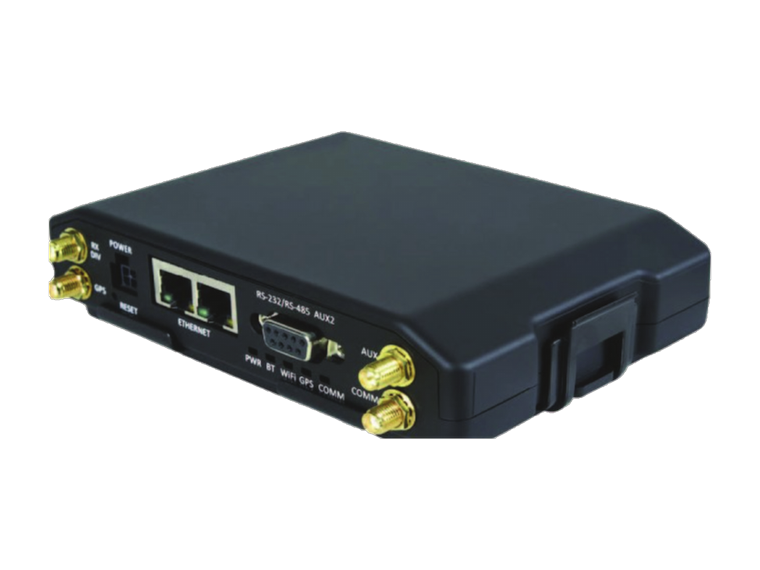
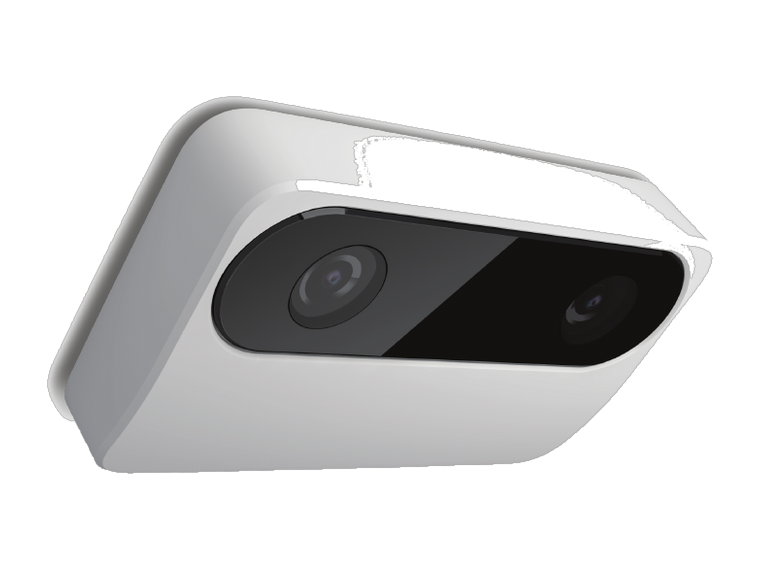
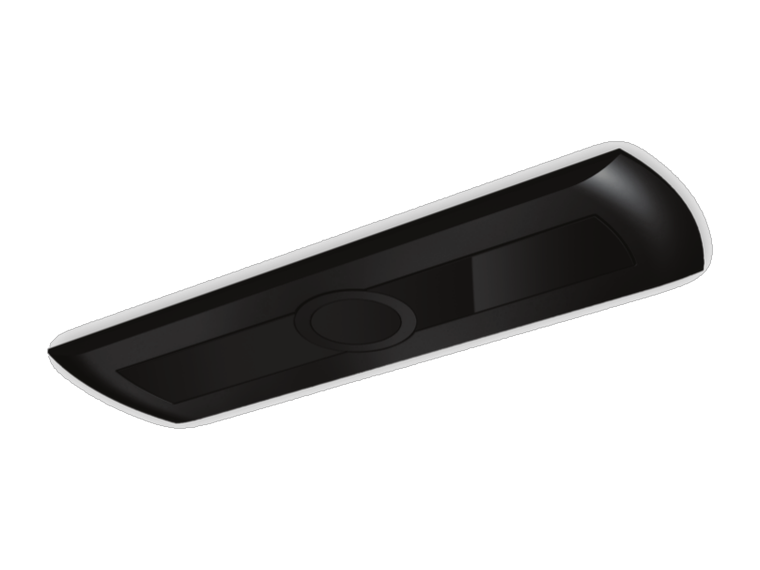
Detail UTA's proprietary data collection methods and decades of experience working with APCs translate into the highest quality of transit data collected.
CAD/AVL
UTA APC hands its records to the CAD/AVL system already on the vehicle. The counts travel with the equipment and data path the agency already runs. UTA APC works with virtually all AVL and scheduling systems.
On-bus router — WiFi / Ethernet
Data leaves the vehicle over the on-bus router when it reaches the garage or a hotspot.
No intermediary. UTA data unhindered.
No CAD/AVL is required for any APC function. UTA hardware sends transit data straight to UTA Processing.
On-bus router, or UTA private network
The same router option applies — or the Model 31 transmits over the UTA private network on its own cellular connection. That second path belongs to the StandAlone system alone.
Stage 3
UTA Processing Server
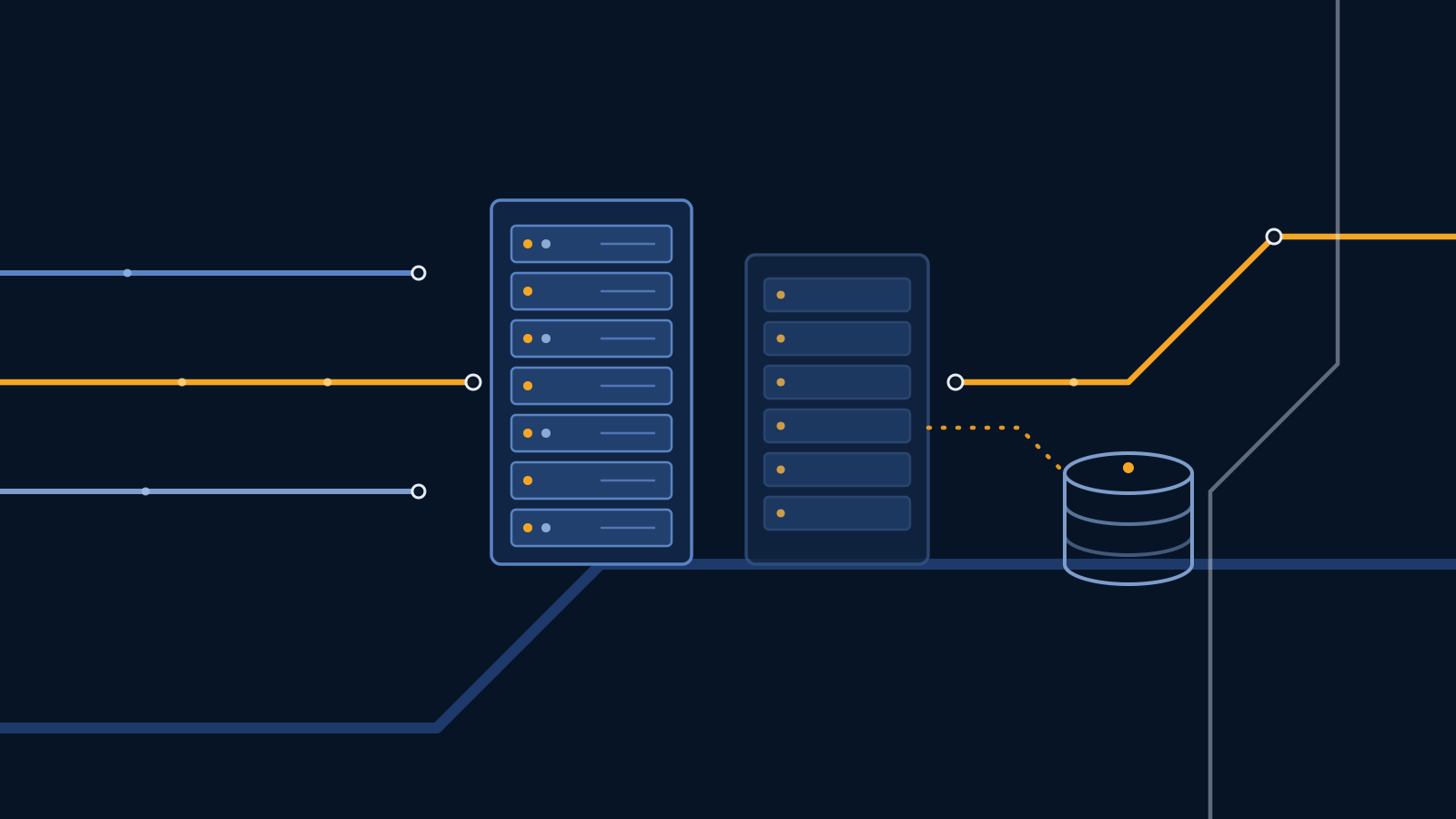
Whichever system the data came from, it arrives at the same place. The two systems stay separate; the back end behind them is identical.
- Encrypted transfer over HTTPS/TLS 1.2 to AWS-hosted servers
- Five steps run overnight: concatenate, diagnostics, automated bus-to-block assignment, file creation, database load
- Every step runs its own data-validity checks
Detail Block assignment is automated — processing works out which block each bus actually operated. No driver login, no garage data entry.

Stage 4
Web Reporting
Every number the system holds, one query away.
- 60+ analytic reports, drill-down from system summary to the individual observation
- Exports to CSV, Power BI, Tableau and GIS · GTFS-RT export for real-time display
Detail Validation runs before anything reaches a report. Every processing module checks its own output, so a number you can see is a number that has already passed.
Stage 5
End User
One step from report to person.
- Planners, schedulers and operations staff, working from the same records
- National ridership reporting, including FTA NTD in the U.S.
Detail The people who use the numbers reach them directly — no export request, no analyst in the middle.
05 / Standard Features
UTA APC Implementation
Not an upgrade path — this is what ships with the system.
Hardware, software, and support engineered and delivered by one firm
98-99% passenger-counting accuracy in bus and rail applications
On-time performance, running times, and schedule adherence from the same records
Self-contained StandAlone platform, not dependent on CAD/AVL integration
60+ standard and custom analytic reports
Automated overnight data processing, ready before staff arrive each morning
GTFS-RT export for real-time passenger load and vehicle location display
Driver Seat Monitoring removes non-revenue driver boardings
Meets national ridership reporting requirements, including FTA NTD in the U.S.
Data transmitted via encrypted HTTPS/TLS 1.2, hosted on AWS
Support from the engineers who built and installed the system
OEM-installed by Gillig, New Flyer, MCI, NOVA Bus, ARBOC, and Cutaway manufacturers
How the system arrives
Purchase, OEM factory install, or lease
UTA is an OEM APC supplier to Gillig, New Flyer, MCI, NOVA Bus, ARBOC and Cutaway manufacturers, so UTA Advanced APC hardware can be installed on the production line before delivery. UTA staff also install on vehicles already in service. For fixed-term work — a planning study, a corridor analysis, or counts without a capital purchase — UTA leases the complete system: hardware, installation, processing and reporting for the term. Lease support is also available to transit planning firms collecting data.
06 / Validation Methodology
Accuracy in every dimension. And it's tested.
A passenger count is only useful if it is the right number, at the right stop, at the right time. UTA evaluates all three. For 30+ years and across 125+ UTA APC applications, accuracy evaluations have taken place at every site.
Counting accuracy: ridecheck concurrence
Trained checkers record boardings and alightings on in-service trips; those manual counts are matched observation-by-observation against the APC record for the same doors, trips, and days. Concurrence is reported on unlinked passenger trips (UPT) and passenger miles (PMT) — the statistics reporting actually depends on — not just raw door counts.
Stop-location accuracy
Every record carries GPS time and position from the 55-channel receiver in the CPU. Geocoding checks verify that boardings and alightings are assigned to the correct bus stop — a correct count at the wrong stop is still a wrong answer.
On-time performance accuracy
Arrival and departure times come from measured events, not estimates: first door open, last door close, and the moment the vehicle pulls away. OTP reporting drills down to the individual observation, so any summary number can be audited.
Held to the local specification
UTA APC accuracy has consistently been evaluated to meet or exceed the specification of the local transit agency — and the resulting documentation supports national reporting certification, including FTA NTD in the U.S.
Already own an APC system?
If the data isn't holding up, you may not need to replace the system.
UTA diagnoses and remediates underperforming APC installations — identifying root causes, processing data from non-UTA counters, and validating the result with a documented accuracy evaluation, often on the hardware already on your vehicles. How diagnostics & remediation works.
Not sure which configuration fits?
We'll help you scope StandAlone, Integrated, OEM, or Lease against your fleet and its existing systems.