
Transit Data Acquisition · Cincinnati, Ohio · Since 1981
Transit data acquisition. APC Hardware, software, and support from one firm.
UTA is recognized as a pioneer in Automatic Passenger Counting, and UTA Advanced APC is the result: the technology was developed at General Motors' Transportation Systems Division between 1976 and 1981, and UTA has advanced it ever since. UTA builds on-vehicle systems that record boardings and alightings, on-time performance, running times, stop-level activity, wheelchair ramp and bike rack usage, door and driver-seat state, and GPS trajectories. 98–99% documented counting accuracy, 20,000+ vehicles equipped, 200+ transit agencies.
01 / Data acquisition
UTA's Data Acquisition System Includes:
Passenger counting is the best-known part of the platform, but it is one output of many. Each vehicle generates a continuous record:
Boardings and alightings, per door
On-time performance and schedule adherence
Running times, by route segment
Stop-level activity and dwell time
GPS trajectory: time, position, speed, heading
Wheelchair ramp deploy and stow events
Bike rack occupancy, per slot
Driver seat occupied/unoccupied state
Door open and close events
Ignition and vehicle power state
Continuous passenger load
Timestamped records every 30 seconds
02 / The hard part
Counting passengers sounds simple. It isn't.
The perception is that APC is a people-counter over a door. A high-quality system is not as simple as it is believed to be — it is an engineering problem that takes years to get right. UTA has spent four decades solving it. Some of the reasons it is hard:
Crowded doorways
At crush loads, passengers occlude one another. A sensor that counts an empty doorway correctly can fail at five people per square meter.
Bidirectional movement
Passengers board and alight through the same door at once, double back, and re-cross. Direction has to be tracked per person, frame by frame.
Strollers, bags, bikes
Things that are not passengers move through the doorway. The system has to classify them, not guess.
Sensor placement
Doorway geometry, headroom, and mounting angle vary by vehicle model. A sensor installed at the wrong position or angle miscounts permanently.
Block and stop assignment
A raw count is not ridership until it is matched to the right trip and stop. Buses swap blocks, run detours, and serve unscheduled stops.
Dead vehicles, missing data
Vehicles break down, get reassigned, or stop reporting. Processing has to find the gaps and keep partial data from biasing the totals.
A hostile place for electronics
Vandalism, weather, road salt, dirt, dust and constant vibration. Equipment that performs on a bench has to keep counting for years in a vehicle that is washed, jolted and left outdoors.
Every agency is different
Service patterns, vehicle types, garage practices and local operating idiosyncrasies vary from agency to agency. The system has to be adapted to each one, not dropped in unchanged.
03 / Hardware
The onboard hardware.
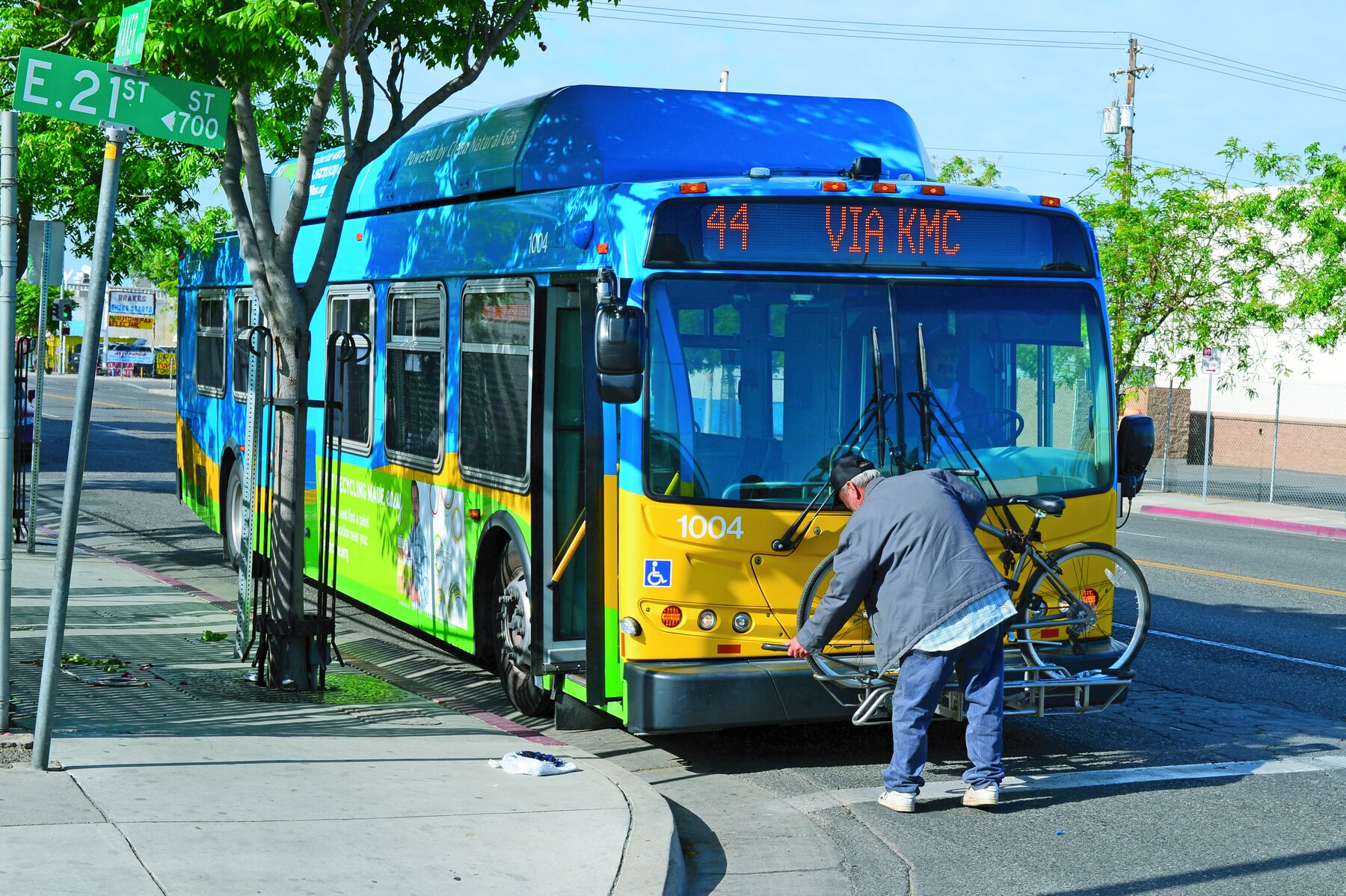
A Model 31 CPU on each vehicle, counting sensors above each door — stereoscopic vision or ToF infrared, chosen per application — and monitors for the events door counts miss: wheelchair ramps, bike rack slots, the driver's seat.
Model 31 APC CPU
Industrial-grade, CalAmp-built
Passenger Counting Sensors
Stereoscopic vision & ToF infrared
Multi-Slot Bike Rack Monitoring
Optional, slot-level detail
Wheelchair Monitoring
ADA ridership insight
Bus, Rail & Paratransit
Same accuracy standard, every vehicle in the fleet.
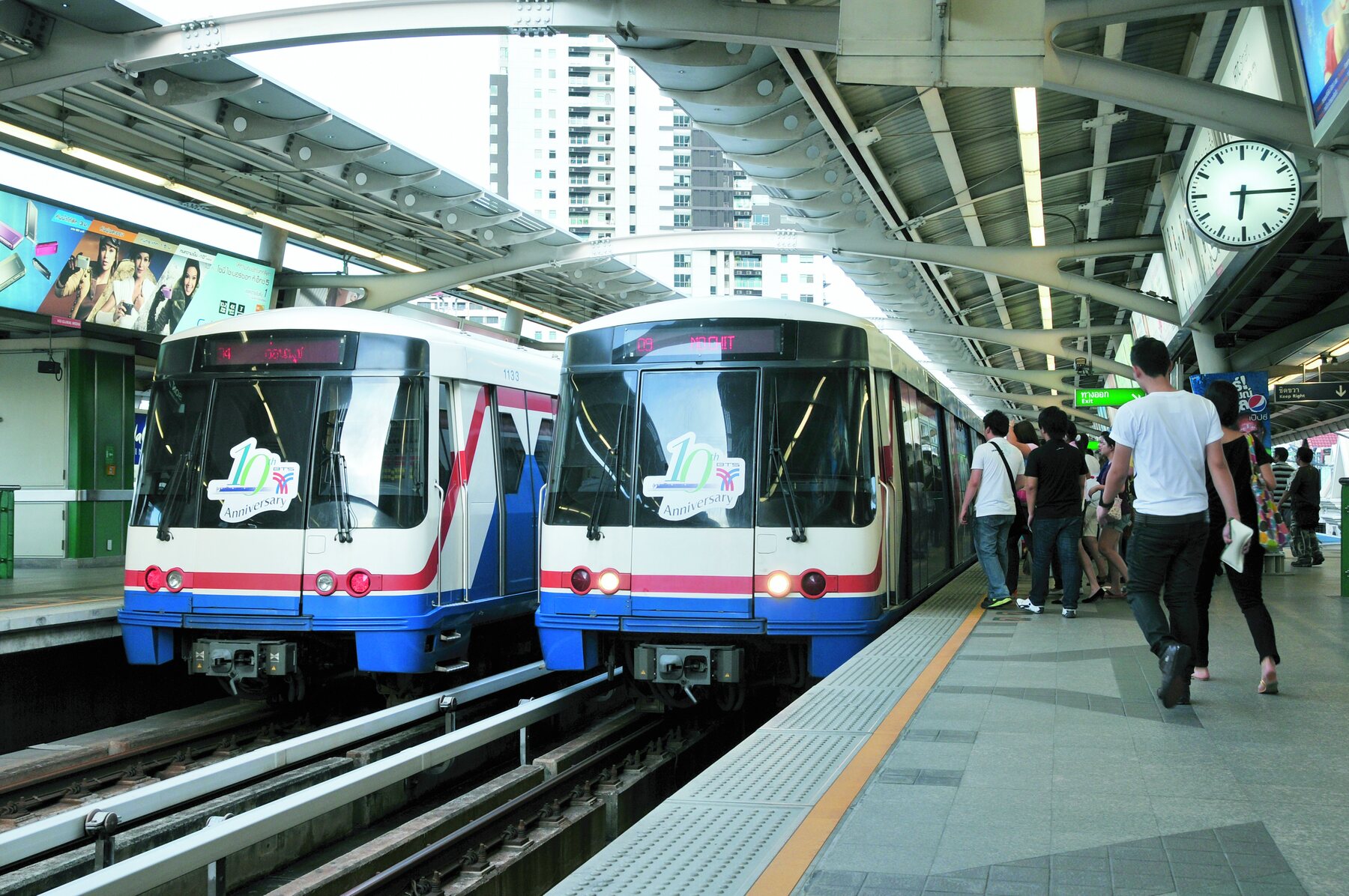
The UTA APC system runs on buses, light rail and heavy rail cars, cutaways, and paratransit vehicles — the same hardware platform, the same reporting stack, one dataset.
200+ transit agency implementations across North America